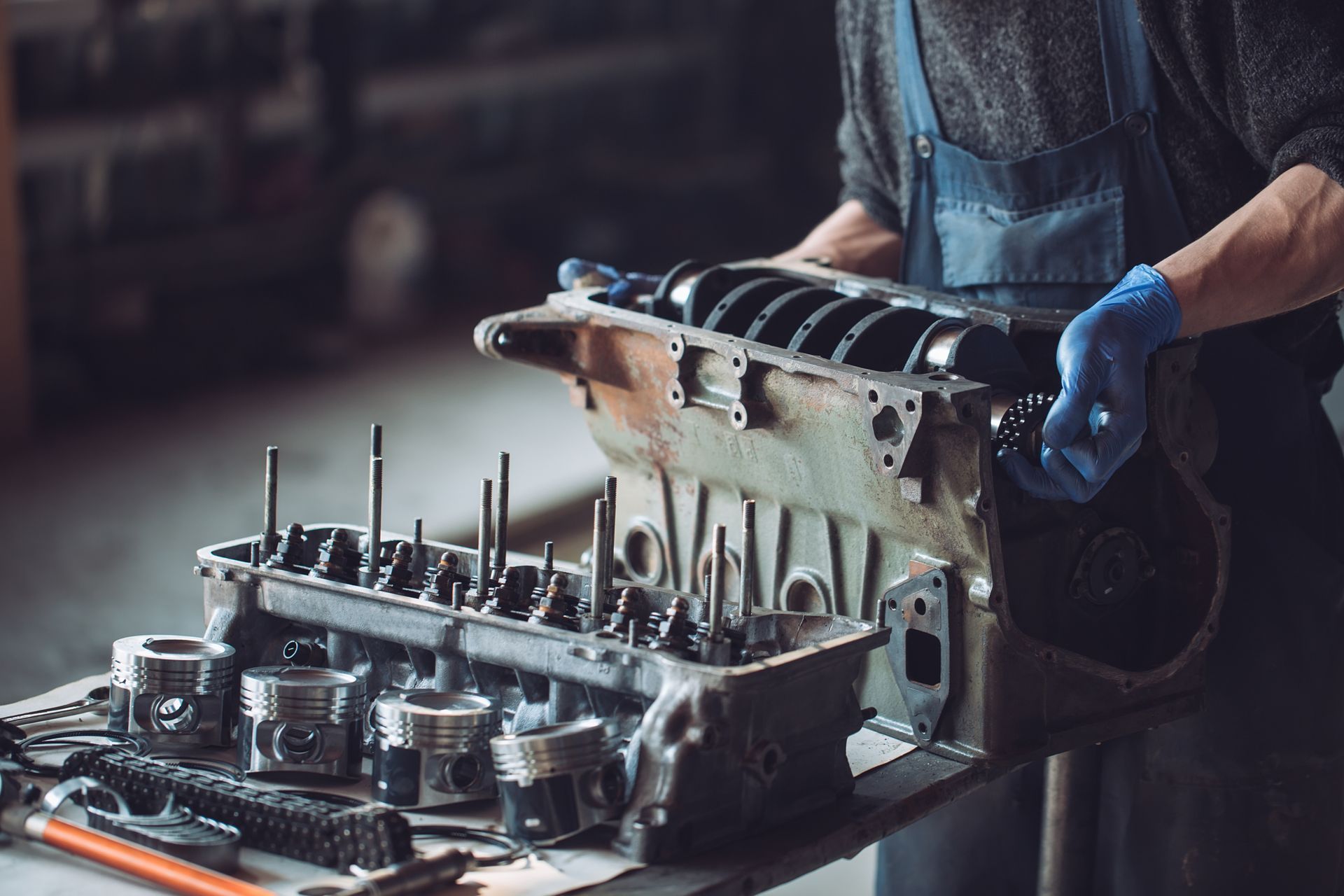
New Year’s resolutions are not just for people. The start of the year is a great time to reset how you care for your vehicle so it is less likely to let you down on a busy weekday or a road trip. You do not need a long list or a complicated plan. A handful of realistic habits, followed consistently, will do more for reliability than any fancy gadget or miracle additive.
1. Stay On Top of Regular Oil Changes
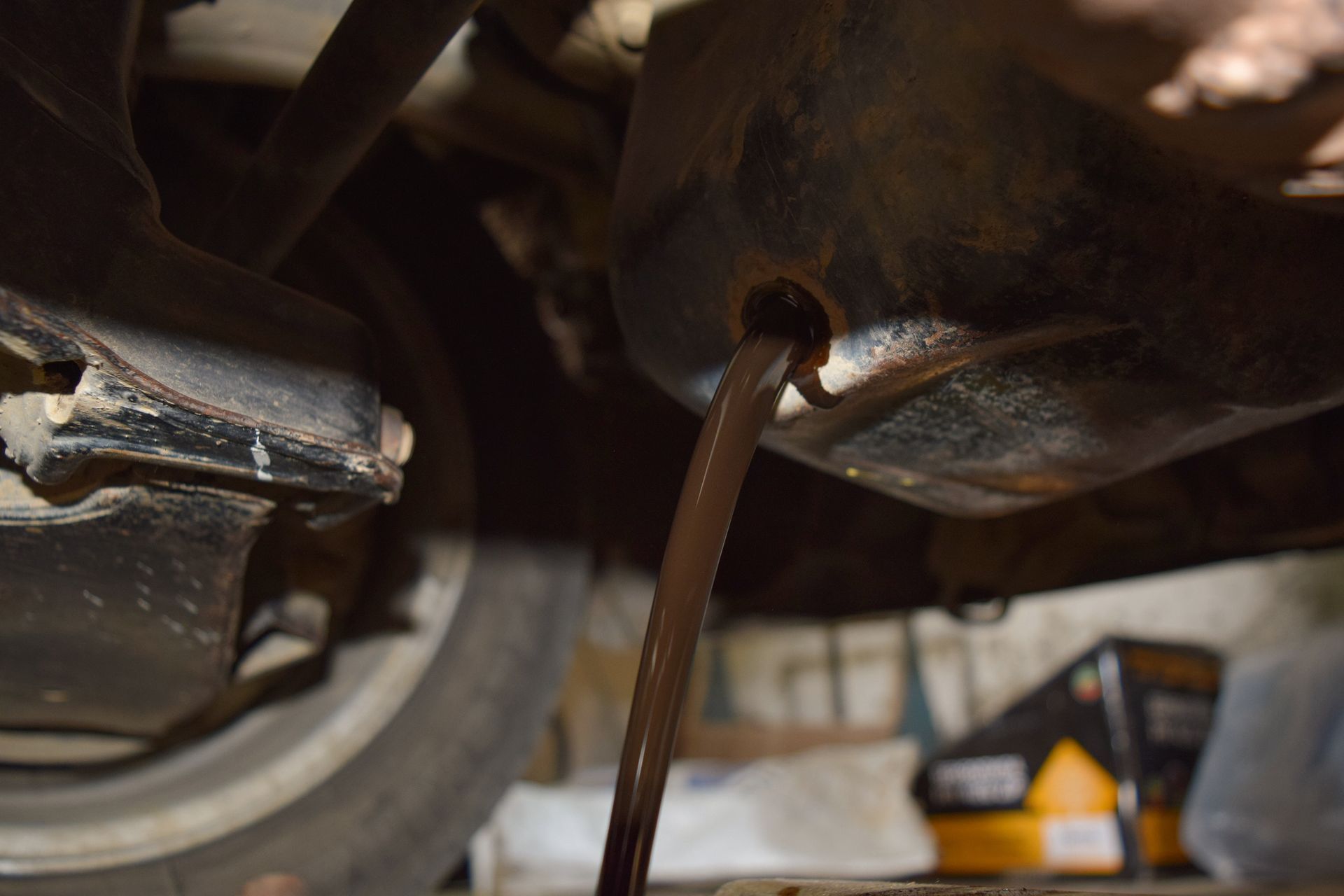
Oil is the lifeblood of the engine, so this is the first habit worth locking in. Modern cars can have long recommended intervals, but those numbers are based on ideal conditions that many drivers do not see. Short trips, lots of idling, and cold starts all age oil faster than a steady highway commute. If you are mostly driving locally, a slightly shorter interval than the maximum listed in the manual usually keeps the engine happier.
A simple way to build this habit is to think in terms of time as well as miles. Even if you do not hit the mileage number, changing oil at least once a year prevents old, moisture-laden oil from sitting in the engine. When we service vehicles, we see a big difference in timing components, seals, and overall cleanliness between engines that get regular oil changes and those that get pushed “one more month” over and over.
2. Check Your Tires Monthly, Not Just Before Trips
Tires quietly affect braking, handling, and fuel economy every day. When pressures are low or tread is worn, stopping distances grow and the car feels less stable, especially in wet weather. Many drivers only think about tires before a long drive, but a quick monthly check is enough to catch slow leaks and uneven wear before they turn into a flat or a pull over on the highway.
Get in the habit of checking pressures when the tires are cold and comparing them to the sticker inside the driver’s door, not the sidewall. While you are there, take a quick look at tread depth and wear patterns. If you see the inside or outside edges wearing faster, or the tread looks chopped or cupped, that is a hint that alignment or suspension needs attention. It is a small step that saves you money on tires over the life of the car.
3. Keep Fluids and Filters on a Simple Schedule
Fluids and filters do not need constant attention, but they should not be ignored for years either. Coolant, brake fluid, transmission fluid, and sometimes power steering fluid all have service intervals based on age and mileage. Cabin and engine air filters keep dust out of the engine and the HVAC system, and a clogged filter can make the car feel sluggish or the heater and A/C feel weak.
One practical habit is to pair these items with other services. For example, have brake fluid tested or replaced when you do a brake job, check the cabin filter at each oil change, and review coolant and transmission fluid at least every couple of years. When we see vehicles on a regular schedule, the fluid changes are usually straightforward maintenance instead of a response to a warning light or failure.
4. Listen and Look for Small Changes Early
Most big repairs start as small changes that are easy to overlook. A new rattle over bumps, a faint burning smell after a drive, or a slight vibration at certain speeds are all signals worth paying attention to. The same goes for subtle warning lights that come and go, or a gauge that does not sit where it used to.
A useful habit is to mentally note anything that feels different, then see if it repeats. If a noise or symptom shows up several times, mention it when you schedule service instead of waiting for it to get loud or constant. Our technicians would rather check out a minor concern and reassure you, or catch something early, than deal with a breakdown that could have been avoided with a little earlier attention.
5. Plan One Full Inspection Each Year
Even if you are good about oil changes and tire checks, a yearly comprehensive inspection ties everything together. That visit is a chance to look at brakes, suspension, steering, belts, hoses, battery, exhaust, and underbody all at once. It turns maintenance into a plan instead of a series of surprises.
Think of it as a health checkup for the car. You can prioritize what truly needs to be done now, what can wait a few months, and what to budget for later in the year. When we walk through an inspection report with drivers, the goal is to replace guesswork with clear choices so you are not learning about worn brakes or a weak battery for the first time in a parking lot.
Get New Year’s Car Maintenance in St Paul Park, MN with Duffy's Auto Service
If you want to turn these five habits into a simple plan, a New Year’s maintenance visit is a good place to start. We can inspect your vehicle, update fluids and filters that are due, and help you set realistic intervals for the year ahead.
Schedule New Year’s car maintenance in St Paul Park, MN with
Duffy's Auto Service, and we will help your vehicle start the year in better shape and stay that way.