Skipping an oil change usually starts with a reasonable thought. The car still drives fine, the engine sounds normal, and your schedule is packed. One week turns into a month, and before you know it, you’re way past the sticker on the windshield.
The problem is that oil doesn’t fail all at once. It slowly loses the qualities your engine depends on, and the damage can build quietly until the day it stops being quiet.
Why Skipping Oil Changes Is Riskier Than It Looks
Engine oil does more than keep parts slippery. It helps carry heat away, holds contaminants in suspension, and protects internal surfaces from wear. Over time, oil breaks down due to heat, combustion byproducts, and tiny metal particles from normal engine operation.
Once the oil is past its useful life, the engine still runs, but it is running with less protection. That is where the long-term risk lives. We’ve seen engines that looked fine, but inside, they were already building sludge and accelerated wear.
What Happens Inside The Engine When Oil Gets Old
As oil ages, it can thin out, thicken, or lose its ability to stay stable under heat. Additives designed to fight corrosion and keep deposits from sticking get used up. When that happens, varnish and sludge can start forming in places you cannot see, like oil passages and around piston rings.
Sludge is especially dangerous because it restricts oil flow. Less flow means less cooling and less lubrication where it matters most. Even if the oil level is correct, poor oil condition can still starve key components of the protection they need.
Early Warning Signs Your Oil Is Past Its Prime
Sometimes the car gives you hints before a bigger problem shows up. These signs do not always mean the engine is damaged, but they do suggest the oil is overdue or the engine is not happy with what it has.
- The engine feels noisier on cold starts, with more ticking than you remember
- The oil looks very dark and thick on the dipstick, and it has a burnt smell
- The oil level drops faster than it used to between changes
- The dashboard maintenance reminder or oil-life monitor has been ignored for a while
If you notice any of these, it’s smart to treat it as a nudge to get the oil checked rather than waiting for a warning light.
Short Trips, Heat, And Other Conditions That Speed Up Oil Breakdown
Mileage is only part of the story. How you drive matters. Short trips are tough on oil because the engine may not get hot long enough to evaporate moisture and fuel dilution that collects during warm-up. That leftover contamination weakens the oil over time.
Heat is another factor. Frequent stop-and-go driving, towing, or long highway runs in high temperatures can stress oil more than you’d expect. Turbocharged engines can be harder on oil as well because of the higher heat around the turbo area.
How Long Is Too Long Between Oil Changes
There is no single number that works for every car. Some vehicles can go longer with the correct oil and normal driving. Others need shorter intervals because of driving conditions, engine design, or mileage.
A good baseline is following the manufacturer's schedule or the oil-life monitor if your vehicle has one. If your driving includes lots of short trips, heavy traffic, or frequent idling, a shorter interval usually makes sense. If the car burns or leaks oil, staying on top of interval and level checks matters even more, because low oil plus old oil is a bad mix.
What Damage Skipping Oil Changes Can Cause
Yes, skipping oil changes can ruin an engine, but it usually happens in steps. First comes increased wear. Then deposits build. Then oil control gets worse, and the engine starts to run hotter and dirtier internally.
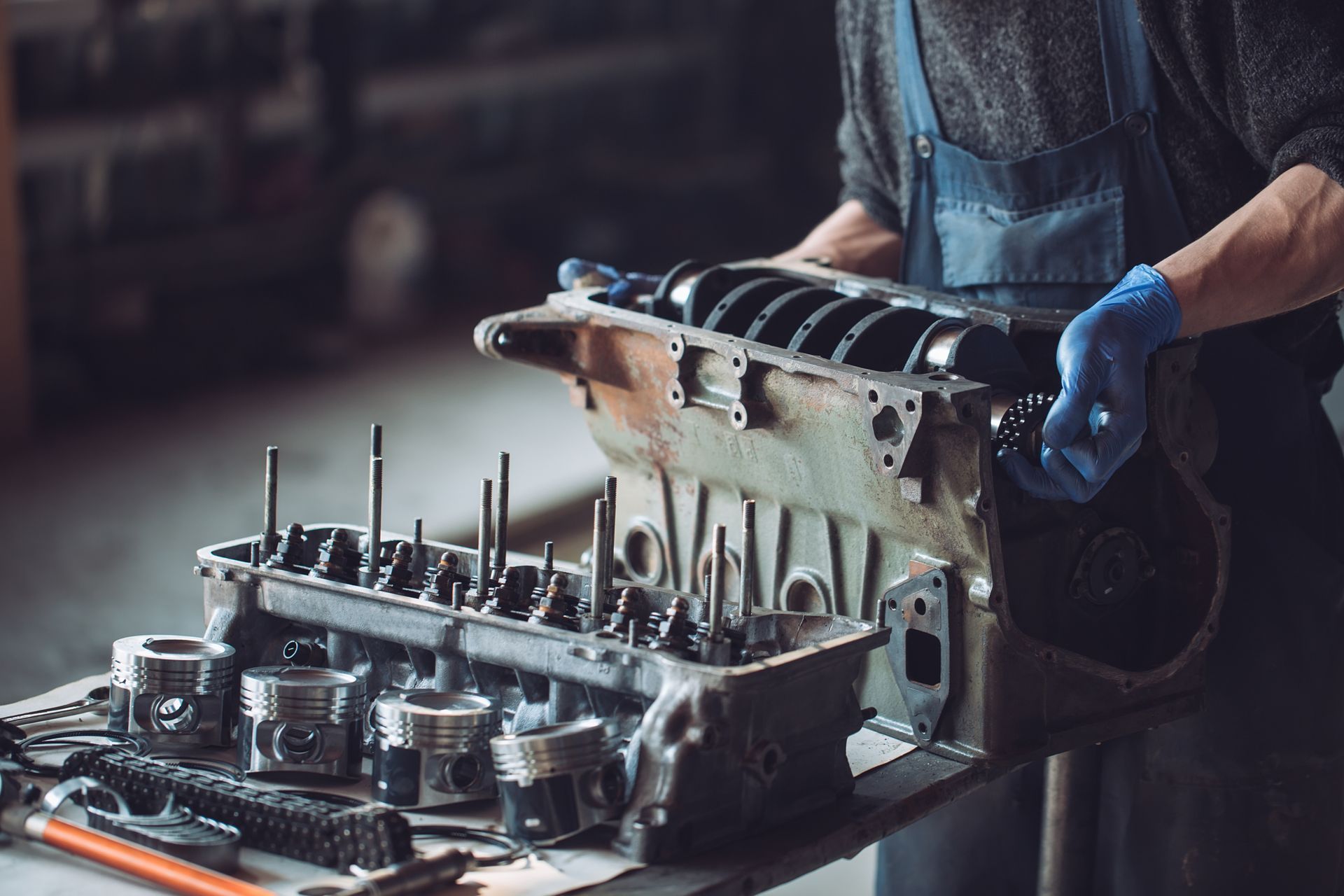
Common outcomes of long-term neglect of oil service include sludge buildup, timing component wear, stuck piston rings that increase oil consumption, and bearing wear that can lead to knocking. In severe cases, restricted oil passages can cause oil pressure problems, which is when damage can happen quickly.
The frustrating part is that the engine may still start and drive during much of this process. By the time the symptoms become obvious, the repair path is often more expensive than the oil changes you meant to get around to.
Get Oil Change Service in St Paul Park, MN, with Duffy's Auto Service
We can check your oil condition, confirm the right oil for your engine, and help you pick an interval that fits how you actually drive. We’ll also look for early signs of sludge, leaks, or oil consumption so small issues do not turn into big ones.
Call
Duffy's Auto Service in St Paul Park, MN, to schedule your next oil service.