ADAS features are only as accurate as the angles they’re working with. A camera that’s tilted a few degrees, a radar unit that’s slightly off-center, or an alignment that’s out of spec can change how your car interprets the lane, the car ahead, or a closing gap.
When the system is off, it rarely feels dramatic at first.
Why ADAS Calibration Starts With Alignment
Most driver-assist systems assume the vehicle is traveling straight and level when it is actually pointed straight and level. If toe or thrust angle is off, the car can drift slightly even when the steering wheel looks centered. That subtle drift changes what the camera sees and how the radar judges distance, especially on highways where the system is constantly making small corrections.
Alignment is also tied to ride height and steering angle reference points. If a suspension component is worn or a tire is underinflated, the vehicle sits differently, and the sensor angles change with it. That’s why a proper setup checks tire pressure, suspension condition, and alignment first, then moves into calibration.
Sensors That Depend On Precise Angles
ADAS is not one sensor. It’s a network that usually includes a windshield camera, front radar, and sometimes side radar units, ultrasonic sensors, and steering angle sensors. Each one has a job, and most of them rely on the vehicle being pointed correctly.
The windshield camera reads lane markings, road edges, and sometimes traffic signs. Front radar tracks vehicles ahead and measures closing speed for adaptive cruise and forward collision warnings. Steering angle sensors and yaw sensors help the car understand where you’re steering versus where the vehicle is actually going, which is critical for stability control and lane-keeping behavior.
Signs Your Cameras Or Radar Are Off
Drivers usually notice calibration issues as an annoyance first, not as a clear failure. The warnings might be intermittent, or a feature works but feels jumpy. If you’ve started to distrust lane-keeping or you’re getting alerts on roads where nothing has changed, that’s a clue.
Here are the patterns that tend to show up when sensor aim or calibration is off:
- Lane-keeping nudges feel late, abrupt, or inconsistent on the same road
- Adaptive cruise follows too close or brakes too early with light traffic
- Forward collision alerts pop up when the lane ahead is clear
- The steering wheel is centered but the car tracks slightly left or right
- ADAS warnings appear after a windshield replacement or front-end work
- The system disables itself more often in normal weather conditions
Some of these can also be caused by dirty sensors or poor visibility, so it’s worth ruling out the simple things first.
What Happens During Professional Calibration
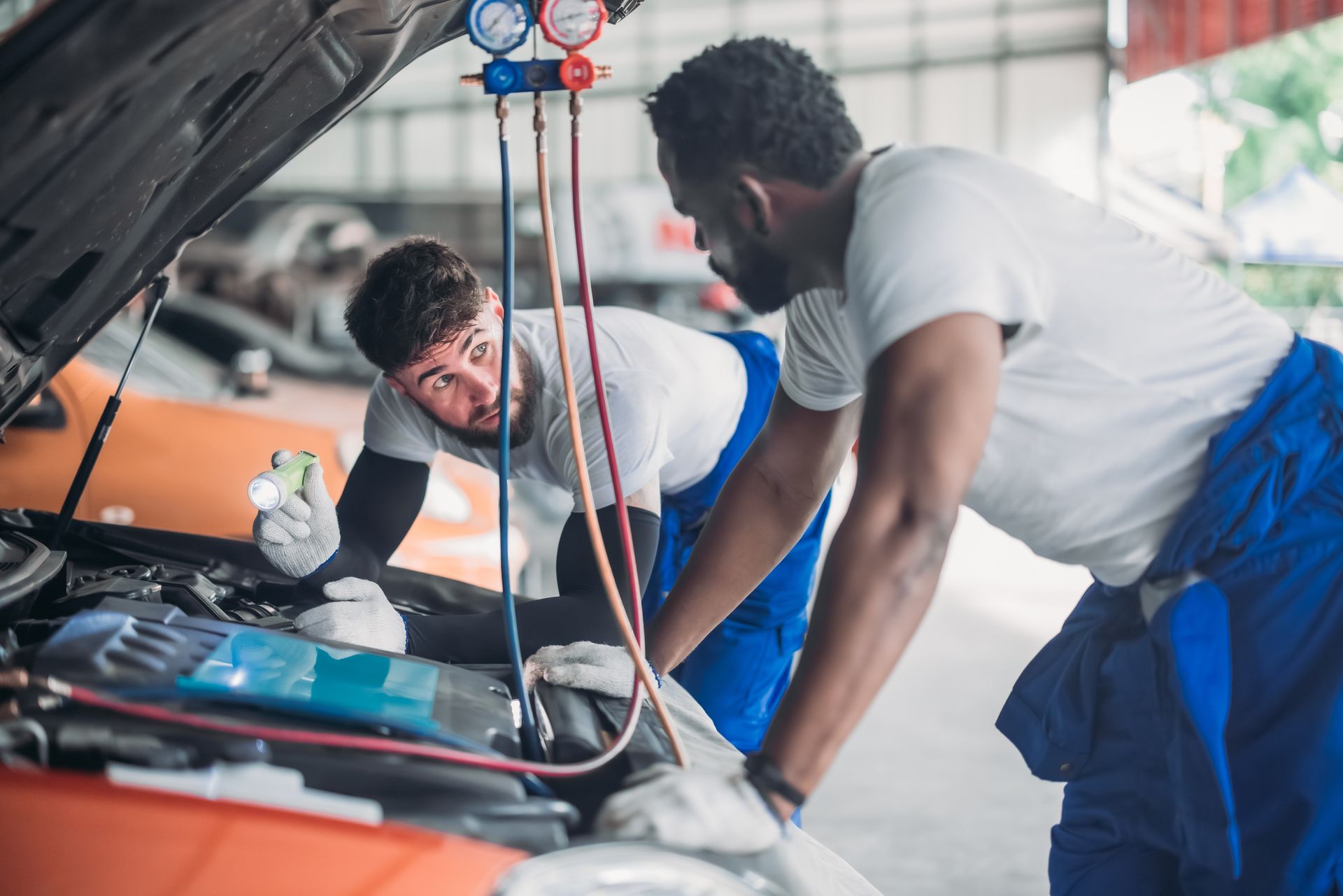
Calibration is a controlled process that teaches the vehicle where its sensors are in space. Depending on the car, it may require a static calibration, a dynamic calibration, or both. Static calibration is done in the shop using targets and measured distances, and it depends on level floors, correct lighting, and exact measurements. Dynamic calibration is performed on the road, where the system relearns while driving under specific conditions.
A professional process starts with a full scan for stored faults and a check of alignment specs, tire size match, and ride height. Then the calibration is carried out using manufacturer procedures, not a generic shortcut. The final step is verifying the system recognizes the calibration and clears any related warnings, then confirming the features behave normally on a road test when required.
Common Situations That Require Recalibration
A lot of drivers assume calibration is only needed after a crash, but plenty of everyday repairs can change sensor position. Even small shifts matter because these systems are measuring lanes and distances in real time.
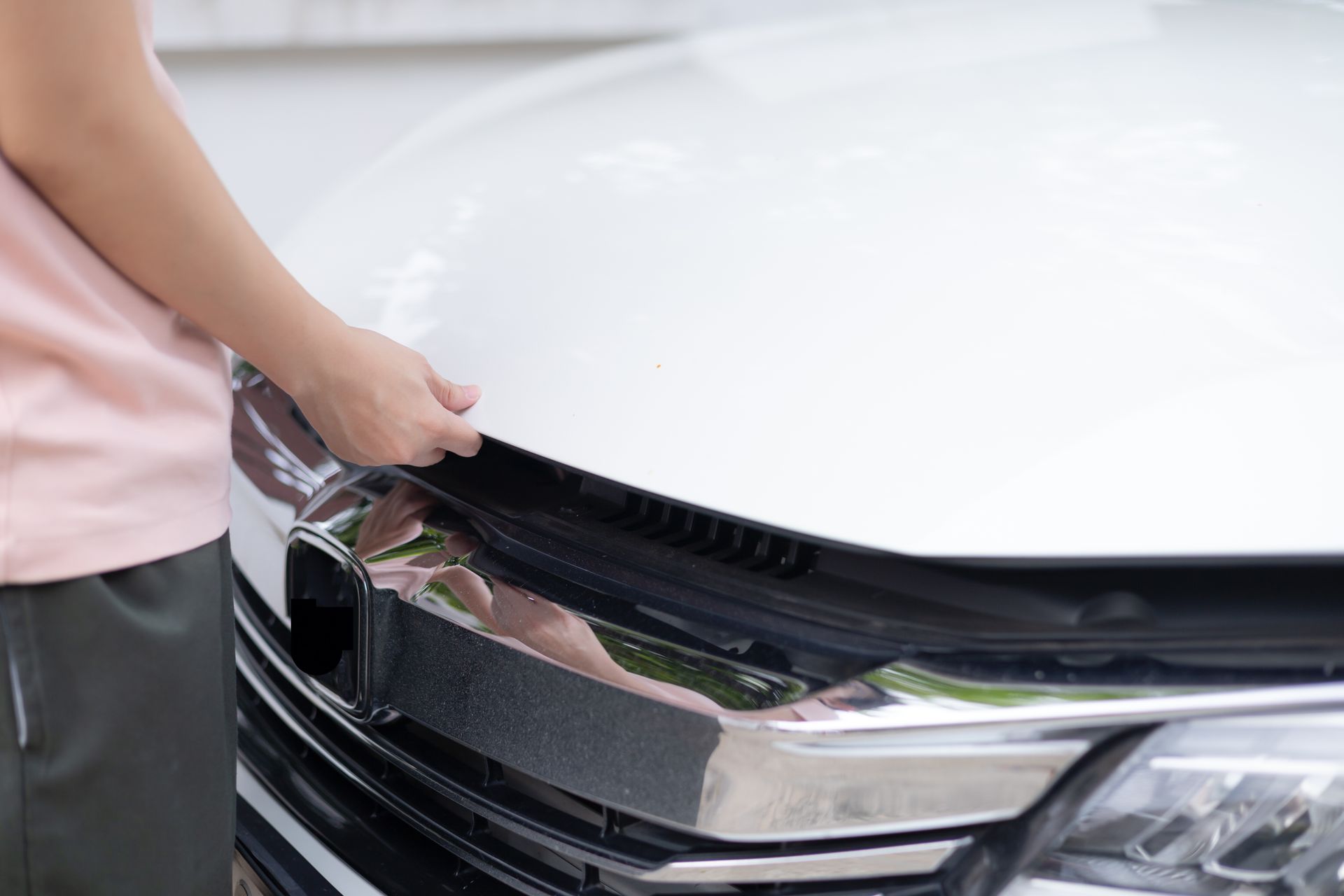
Recalibration is commonly needed after windshield replacement on camera-equipped vehicles, front bumper or grille work, radar unit removal, suspension changes, and significant alignment corrections. Tire size changes can also matter if the overall diameter is different enough to alter speed calculation and system assumptions. If you recently had front-end work done and the car started acting differently afterward, it’s a good moment for an inspection while the sequence of events is still clear.
How To Keep ADAS Working Over Time
Most ADAS complaints are preventable with basic upkeep. Keep camera areas clean, make sure the windshield is clear of haze, and avoid sticker placement that blocks the camera’s view. If your front radar sits behind an emblem, keep that area clean too, especially after slushy drives.
It also helps to treat alignment like a routine service, not a once-in-a-decade event. Potholes, curb taps, and worn suspension parts slowly pull angles out of spec, and ADAS reacts to that long before a tire looks obviously worn. Regular maintenance that includes tire pressure checks and addressing suspension wear early keeps the sensors working with stable inputs.
Get ADAS Alignment And Calibration In St Paul Park, MN With Duffy's Auto Service
If your lane-keeping feels inconsistent, your adaptive cruise is acting unpredictably, or warnings started after recent repairs, the next step is confirming alignment and calibrating the sensors to the factory procedure.
Schedule an inspection with Duffy's Auto Service in St Paul Park, MN, and we’ll verify the setup and get your ADAS features behaving the way they’re supposed to.
You’ll drive with more confidence once the system is back on target.