A good battery can still die if the alternator isn't doing its job. That is the part many drivers miss. They replace the battery, the car starts fine for a few days, and then the same slow crank or no-start comes back.
That usually means the battery was not the whole problem.
The alternator keeps the electrical system powered while the engine is running. It also recharges the battery after each start. If it undercharges, overcharges, or charges inconsistently, even a healthy battery can get worn down much faster than it should.
What The Alternator Does After Startup
The battery’s main job is to start the engine. Once the engine is running, the alternator takes over most of the electrical load. It powers lights, ignition, fuel systems, computers, the blower motor, heated seats, wipers, and everything else the vehicle uses while driving.
At the same time, it replenishes the battery's energy. Every start pulls power out. The alternator is supposed to replace that power as you drive.
If the alternator cannot keep up, the battery has to help run the vehicle. That is not what it is built to do for long. It slowly drains until the car stalls, refuses to restart, or needs another jump.
Undercharging Slowly Drains The Battery
An alternator does not have to fail completely to cause trouble. Sometimes it charges weakly. The car may still run, but the battery never gets fully recharged. After enough short trips or cold starts, the battery gets lower and lower.
That pattern can look like a bad battery. The vehicle starts slowly in the morning, needs a jump, or acts fine right after charging, but struggles again later. The battery may test low because it is low, not because it started as the failed part.
We see this a lot when drivers replace a battery without testing the alternator output. The new battery works for a little while, then gets pulled down by the same charging problem.
Overcharging Can Damage A Battery Too
A weak alternator is not the only concern. An alternator or voltage regulator that overcharges can also damage a good battery. Too much voltage can heat the battery, boil off fluid in serviceable batteries, create swelling, or shorten internal life.
You may notice a rotten-egg smell, flickering or unusually bright lights, or recurring battery corrosion. Some vehicles may also turn on a battery or charging warning light.
Overcharging is rough on more than the battery. Sensitive electronics, bulbs, modules, and sensors do not like unstable voltage. That is why charging problems should be tested instead of ignored until the car quits.
Warning Signs The Alternator Is Failing
Alternator trouble can show up in small ways before the battery dies. The battery light may come on while driving. Headlights may dim at idle. The blower motor may slow down. Power windows may move more weakly than usual. Several warning lights may appear at once because the vehicle is losing steady voltage.
A whining or grinding noise from the alternator area can point to bearing wear. A burning smell can point to a belt slip or electrical heat. If the serpentine belt is loose, cracked, or slipping, the alternator may not spin correctly even if the alternator itself is still good.
The timing matters. If the vehicle starts fine but electrical problems appear while driving, the charging system moves higher on the list.
Why Jump Starts Do Not Solve The Problem
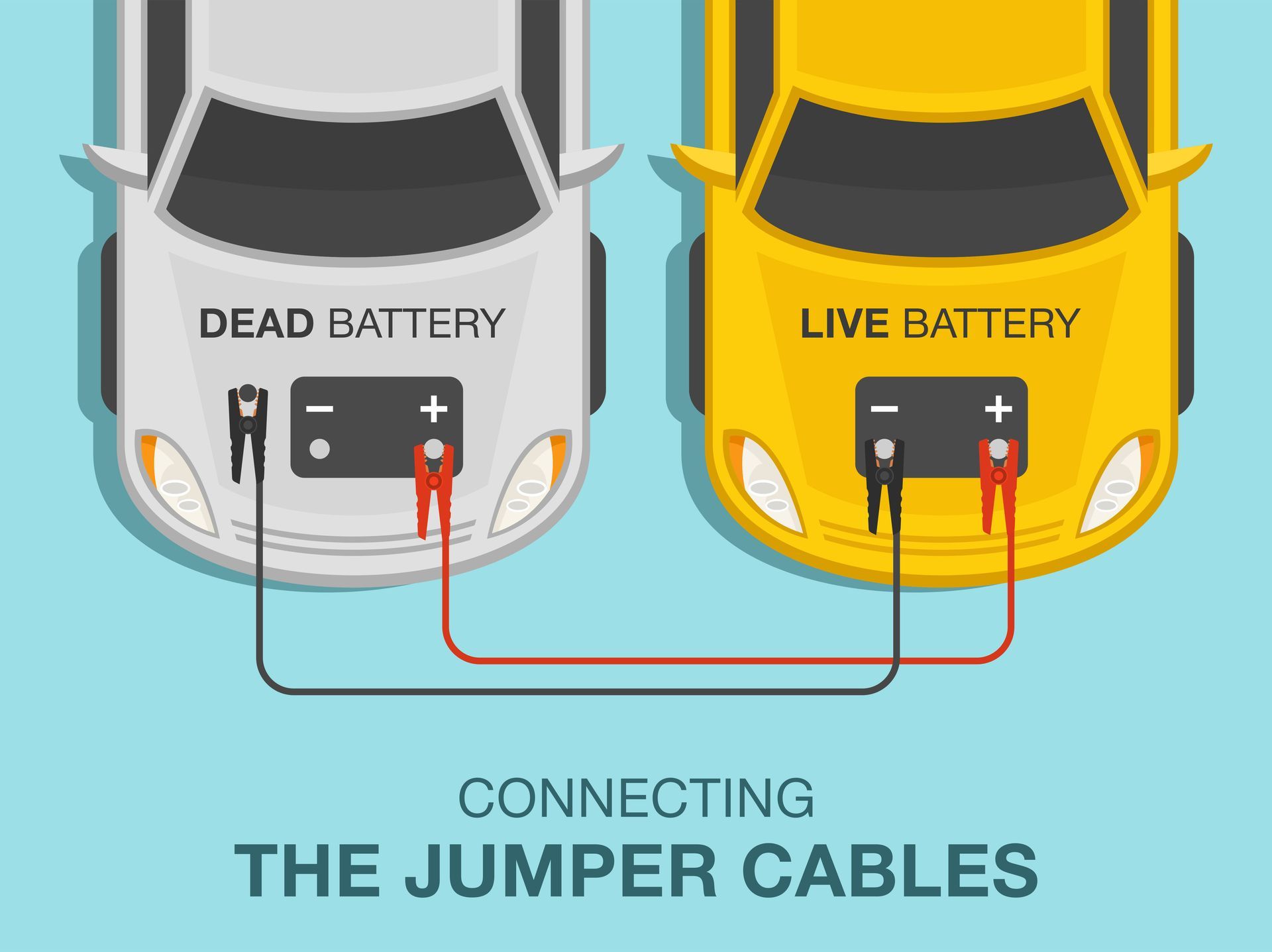
A jump start only gives the battery enough power to start the engine. It does not fix why the battery went low. If the alternator is not charging, the vehicle may run briefly, then die again once the battery drains.
That is why a car that needs repeated jump starts needs an inspection. The cause could be a weak battery, a bad alternator, corroded terminals, loose cables, poor grounds, belt trouble, or an electrical draw when the car is parked.
One of our technicians checks the full starting and charging system before recommending parts. That keeps you from buying a battery when the alternator is the real reason the car keeps acting dead.
How A Bad Alternator Shortens Battery Life
Car batteries do not like being deeply discharged over and over. A bad alternator can force that cycle by failing to fully recharge the battery. Each time the battery drops too low, its internal plates take stress. After enough cycles, a good battery can lose capacity and fail earlier than expected.
The battery may still be fairly new. That does not make it immune.
Regular maintenance can help catch weak charging voltage, belt wear, terminal corrosion, and early battery decline before you end up stuck. A quick test is much easier than trying to figure it out in a parking lot with jumper cables.
Get Alternator And Battery Service In St Paul Park, MN, With Duffy's Auto Service
If your car needs repeated jump starts, has a battery warning light, cranks slowly, or keeps killing batteries, Duffy's Auto Service in St Paul Park, MN, can test the alternator, battery, belt, cables, and charging system.