We have all been there. You are driving down the road, and you suddenly notice a strange, rhythmic thumping sound coming from somewhere under the floorboards. Or maybe the engine hesitates for just a brief second when you try to accelerate away from a stoplight. You know something is wrong with your car, but as you pull into the repair shop parking lot, a wave of anxiety hits you. You wonder how you are supposed to explain this mysterious problem without sounding silly or accidentally pointing the technician in the completely wrong direction.
At our shop, we want to share a little secret: you do not need to speak fluent automotive jargon to be an amazing advocate for your car. In fact, some of the most helpful information we get from drivers comes in plain, everyday language.
When a car is sick, you are its primary translator. You know its normal quirks, its sounds, and its daily habits better than anyone else. Today, we want to give you a straightforward, stress-free guide on how to describe your car problems to a mechanic. Mastering this quick skill is the single best way to cut down on diagnostic time, avoid unnecessary part replacements, and save yourself a ton of money.
Focus on the Senses
When you sit down with a service writer at the front desk, you do not need to diagnose the mechanical issue yourself. You do not need to guess if a part is failing. Instead, simply paint a picture of what you are experiencing by focusing on three specific sensory categories.
- What do you hear? Try to classify the noise. Is it a high-pitched squeal when you step on the brakes, a metallic grinding when you turn the steering wheel, or a dull hum that gets louder the faster you drive?
- What do you feel? Pay attention to the physical sensations in the cabin. Is the steering wheel shaking violently at highway speeds, or is the brake pedal feeling unusually soft and spongy when you push it down?
- What do you smell? Odors are fantastic clues. A sweet, maple-syrup smell usually points to a coolant leak, while a sharp, acrid odor like burnt toast often indicates an electrical short or a stuck brake caliper.
When Does It Happen?
The absolute most valuable piece of information you can give a technician is the exact context of when the symptom decides to show up. Cars are incredibly complex, and a sound that only happens under specific conditions narrows down our search dramatically.
Before you drop off your keys, try to jot down a quick mental checklist of the exact parameters surrounding the problem.
Does the issue happen only when the engine is completely cold first thing in the morning, or does it show up after an hour of highway driving? Does the vehicle shudder only when you are accelerating up a steep hill, or does it happen when you are coasting down a slope? Does the dashboard warning light blink rapidly or stay completely solid? Giving us these precise environmental details stops us from chasing ghosts and lets us duplicate the exact problem much faster.
Leave the Guesswork at the Door
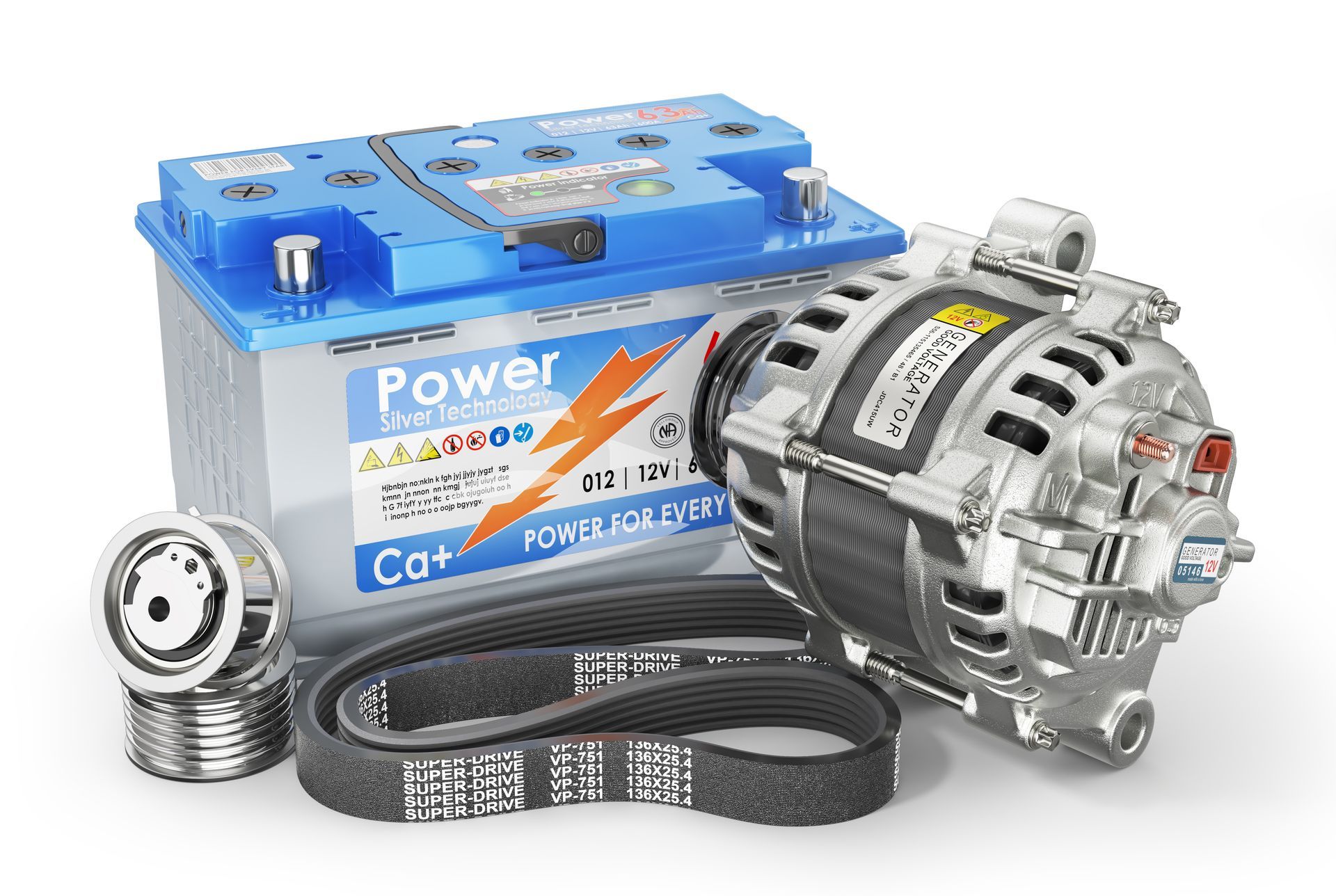
It is incredibly tempting to browse internet forums or search video clips to try and figure out the exact component that is broken before you arrive at the shop. While doing your research is great, we sometimes see drivers lock themselves into a specific diagnosis. They might walk up to the counter and say, I need a brand-new alternator. If a shop blindly takes that instruction and replaces the alternator without testing, only to find out the real culprit was just a loose, ten-dollar battery cable, you have wasted a massive amount of money.
Instead of stating what part you think needs to be replaced, tell us the raw symptoms. Say, My car struggled to start three times this week, and the dashboard lights flickered. This allows our technicians to perform a proper, unbiased diagnostic test to pinpoint the exact root cause of the issue, ensuring you only pay for the specific fix you actually need.
Your Cell Phone Is a Great Tool
If you are struggling to find the right words to describe a weird sound or an intermittent dashboard glitch, use the powerful computer sitting right in your pocket.
If your car makes a strange rattling noise when you idle at a drive-thru window, safely roll down your window and record a quick ten-second audio clip or video on your phone. If a strange warning light pops up on your console for just a brief moment before disappearing, snap a quick photo of it when it is safe to pull over. Showing a service advisor a direct video or photo eliminates all guesswork and gives our team an immediate head start on the repair.
We Are Ready to Listen
We believe that open, friendly communication is the foundation of a great auto repair experience. Our service advisors are trained to listen patiently, ask the right clarifying questions, and make sure you feel completely heard and respected. We will take your descriptions, translate them for our diagnostic technicians, and provide you with a transparent, easy-to-understand breakdown of exactly what your vehicle needs.
Do not let the auto repair shop experience stress you out. Stop by
Duffy's Auto Service in St Paul Park, MN
or book an appointment online today.