The car starts reliably on a mild afternoon, then struggles to crank after a freezing night. It's natural to blame the starter because the engine turns slowly or only clicks. Yet cold temperatures affect the battery, engine oil, wiring, and starter motor together.
A weak battery often imitates a bad starter. Corroded cables make both problems harder to tell apart. The right inspection follows the electrical path from the battery to the starter before any expensive part is ordered.
Cold Weather Reduces Available Battery Power
Lead-acid batteries produce less available starting current at low temperatures, even when they're otherwise healthy. At the same time, thicker engine oil and cold mechanical components increase the effort needed to turn the engine. That's why a battery that started your car in October sometimes struggles during a Minnesota cold snap. A battery approaching the end of its service life becomes particularly vulnerable.
Battery condition and charge level come before a starter estimate. A slow crank on a freezing morning doesn't automatically mean the starter has failed. Repeated short trips, charging faults, and accessories drawing power during parking are common reasons a battery loses charge.
Capacity testing and voltage measurements help separate those causes. Regular maintenance includes keeping the battery securely mounted and its connections clean.
What a Failing Starter Motor Sounds Like
A starter contains a motor and an engagement mechanism that turns the engine's flywheel or flexplate during starting. Worn contacts, a failing solenoid, damaged internal parts, or intermittent wiring stop the starter from turning in different ways. You hear one solid click, rapid repeated clicks, or sometimes nothing at all. Some faulty starters work again after several attempts, particularly when internal contacts are deteriorating.
Those sounds are clues, not a confirmed repair plan. Rapid clicking usually signals insufficient electrical power, while a single click has several possible causes. We check the command signal reaching the starter and the voltage available under load. A motor that can't operate with correct power and grounding is a different problem from one that never receives its start command.
Cables and Connections Are Easy to Overlook
Corrosion at the battery terminals, loose clamps, damaged ground straps, and deteriorated power cables introduce resistance into the starting circuit. Under heavy cranking current, even a modest amount of resistance causes a significant voltage drop. Your dashboard sometimes lights up normally even when too little power reaches the starter motor. Cold weather often makes an already weak connection more noticeable.
A voltage-drop inspection tests the circuit while it carries starting current. Corrosion hidden under cable insulation and poor engine grounds both reduce the power available for cranking. Those connections need a close inspection.
Replacing the starter without checking the cables often leaves the original electrical problem untouched. Cleaning a terminal is part of proper maintenance, but a badly damaged cable needs more than surface cleaning.
Engine Oil and Mechanical Drag Increase Cranking Demand
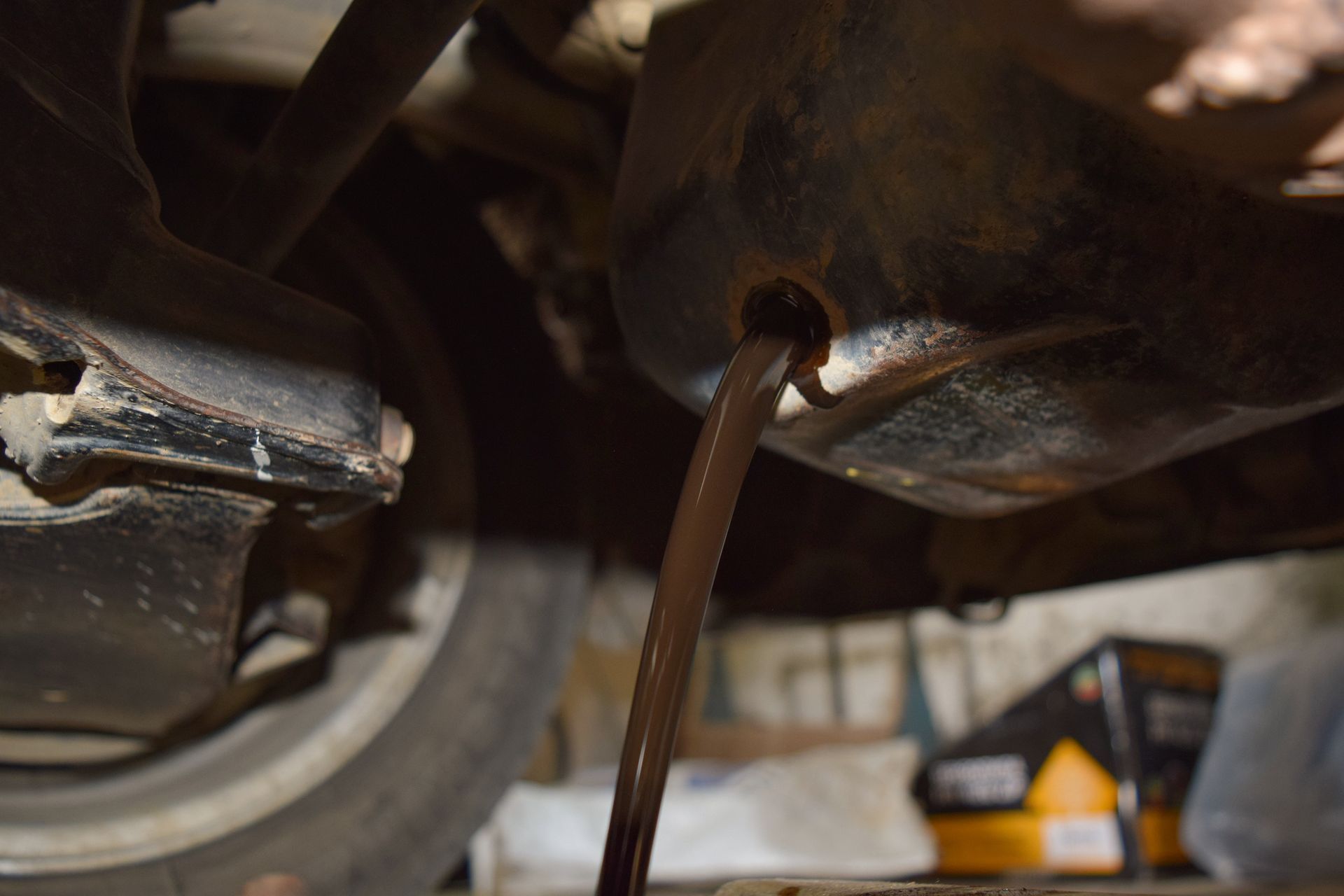
Using the manufacturer's required oil viscosity is especially important in winter. Oil that becomes too thick at low temperatures increases the load on the starter. Mechanical drag adds cranking resistance too, although battery and wiring faults are more common. An engine that turns freely by hand during an approved check is different from one that can't rotate normally.
We review the previous oil service and compare the engine's actual cranking speed with expected behavior. Does the engine turn slowly only after sitting overnight, then restart normally once warm? That temperature pattern helps guide the inspection. Changing to an unapproved oil viscosity isn't a safe shortcut. The manufacturer specifies the grade and approvals needed to protect the engine in its operating conditions.
The Charging System Must Replace Energy Used to Start
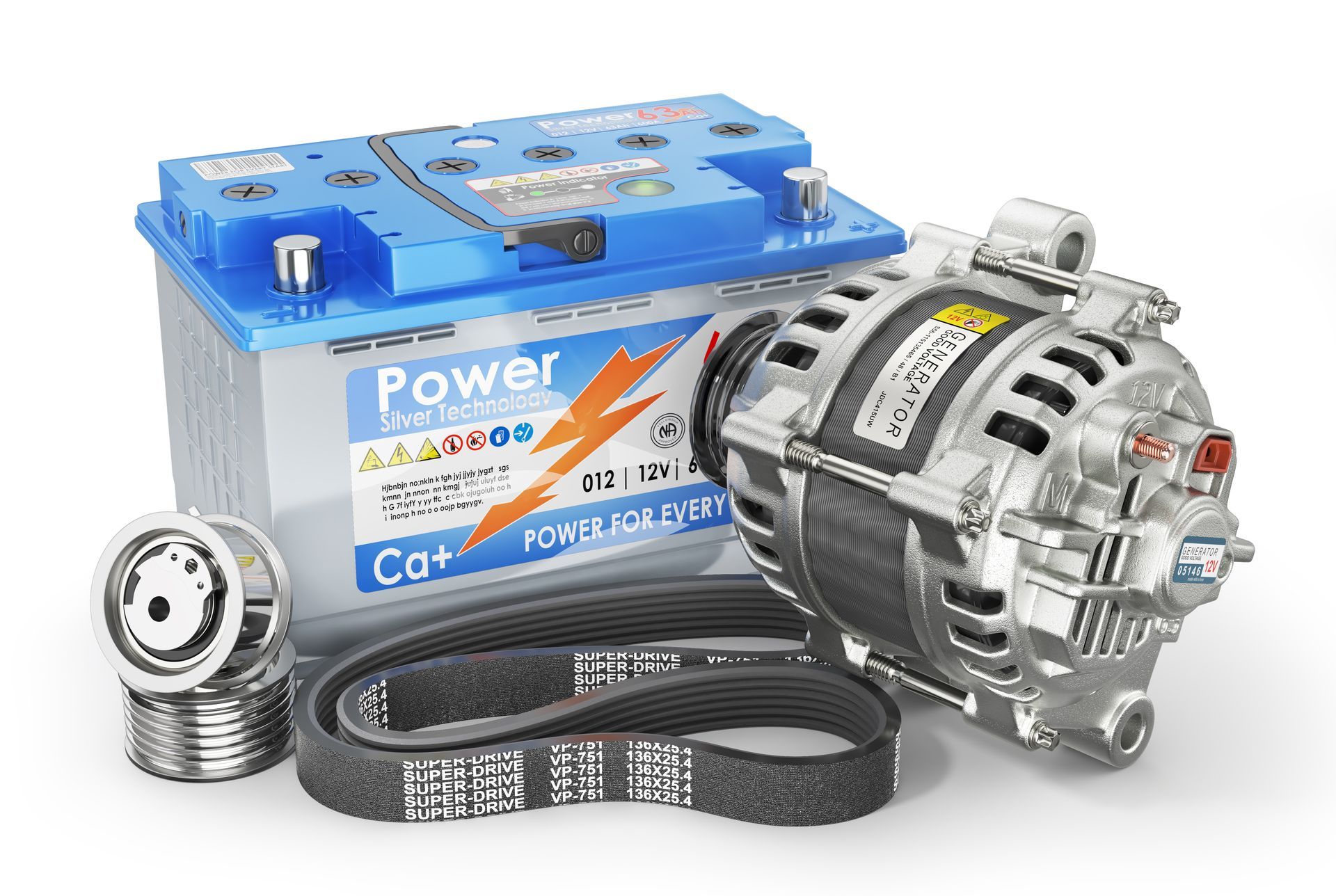
After startup, the alternator and electrical control system replenish the battery. A failing alternator, slipping belt, or charging-circuit fault sometimes leaves too little battery charge for the next morning. On some newer vehicles, charging strategy varies with battery condition and operating mode, so a single voltage reading isn't enough to evaluate every system.
Charging performance, battery-monitoring information, and unusual electrical loads help explain why a battery that seemed fine yesterday is weak this morning. A recently installed battery doesn't rule out a charging problem. If the engine starts after a jump but repeatedly needs another jump, the next step is identifying why the battery isn't staying charged. A starter replacement won't correct that cycle.
Morning Clues That Help Narrow the Fault
An intermittent no-start is often difficult to reproduce once the vehicle reaches a warm repair bay. Write down the outside temperature and what happened during the first attempt. Was there a slow turning sound, one click, or complete silence? Note if the dashboard dimmed and if a jump-start changed the result. Those details keep the inspection focused.
Mention these observations:
- Slow cranking only on freezing mornings
- One click without normal engine rotation
- Headlights dimming sharply during starting
- A jump-start helping for only one day
- Recent battery, alternator, or starter work
Avoid repeated long cranking attempts because they heat electrical components and drain the battery further. If cables become hot or you smell burning insulation, stop and arrange assistance.
Test the Complete Starting Circuit Before Replacement
A thorough starting-system inspection includes battery capacity, cable voltage drop, starter command, and charging performance. You need to compare test results, not replace the battery, alternator, and starter until one happens to help. Some cars also have start authorization systems, neutral safety inputs, and control modules that must permit cranking. A no-crank condition isn't always a problem inside the starter itself.
Once the repair is complete, a repeat test confirms normal voltage and reliable cranking. For winter reliability, regular battery inspection and manufacturer-specified maintenance are more effective than waiting for the next freezing morning to expose a weak connection. A dependable start begins with the entire electrical system working together.
Get Cold Weather Starting System Service in St. Paul Park, MN, With Duffy's Auto Service
Duffy's Auto Service in St. Paul Park, MN, tests batteries, starters, charging systems, and electrical connections when cars struggle on cold mornings. We'll identify the weak point before recommending replacement.
Schedule your starting system inspection online, or call
Duffy's Auto Service about the cold-start problem.